

I wanted to get out of Tokyo at least once so I went south to the seaside town of Kamakura, known for its historic shrines, temples, the giant Buddha statue of Kotoku-in, and a charming train that ran along the shore.
It took about 90 minutes to get there over two trains — not far by any means but a bit of a journey because I kept getting caught in rush hour and had to stand the way you do on crowded trains: reaching for a handhold, swaying back and forth while maintaining a one inch distance from ten people at once, hoping you don’t literally rub anyone the wrong way. Or get rubbed. Most of Tokyo’s subway trains are a much smoother than ride NYC’s (what a surprise) and you can actually stand without holding on to a rail, if you’re bold. If you try that on the F train you’ll be tossed halfway across the car. But anyway. About 90 minutes from Asakusa to Kamakura.
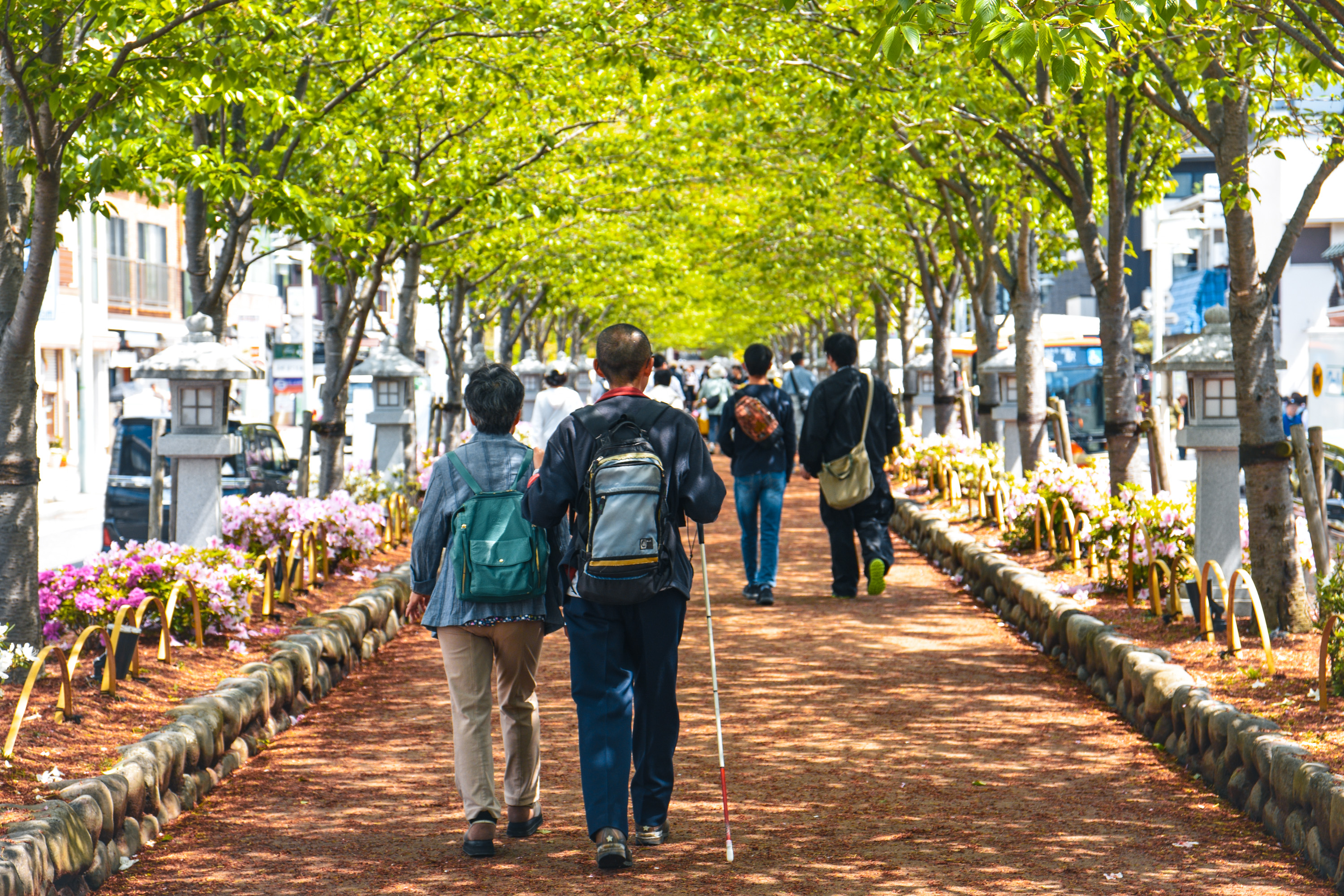
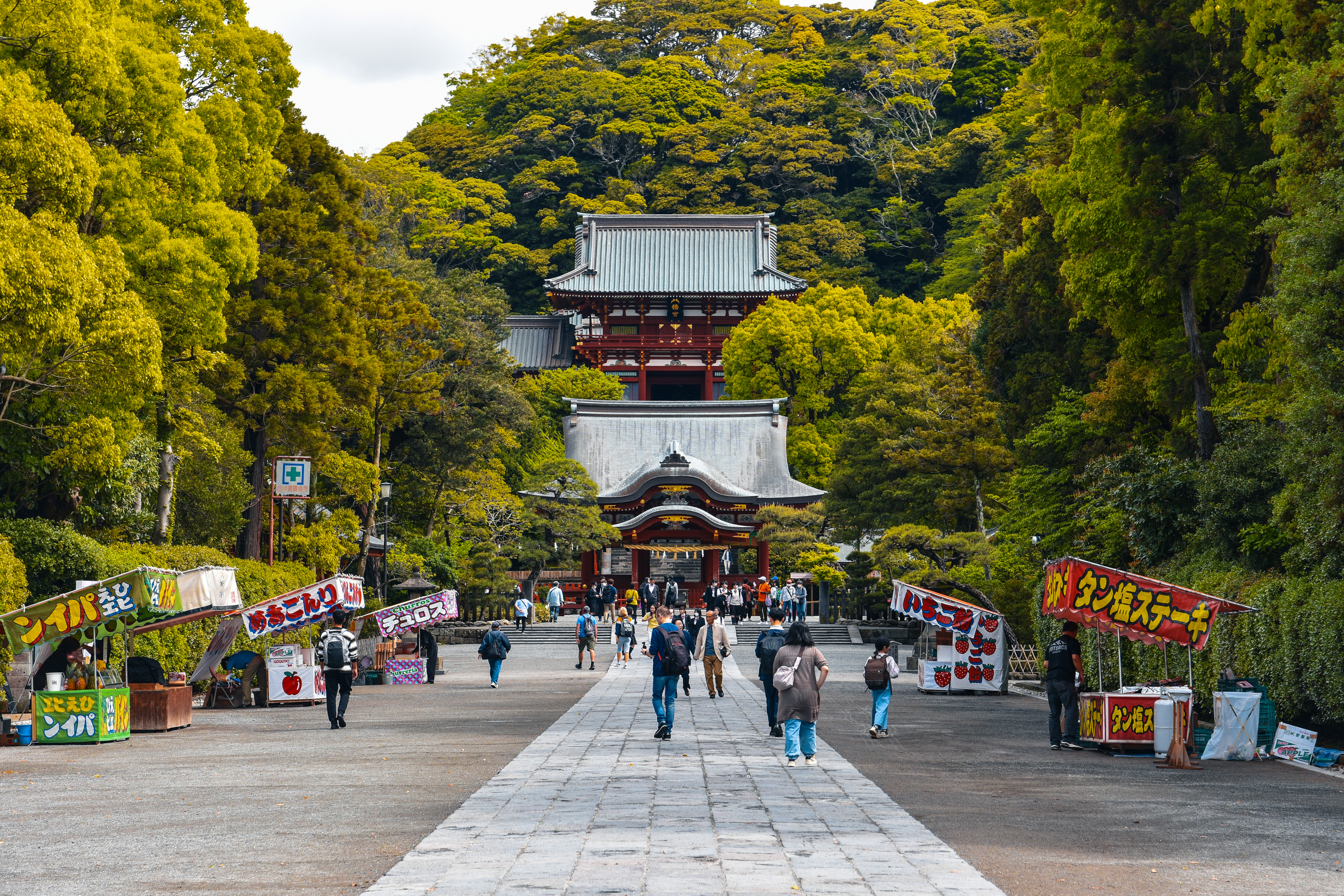
A straight, long road cuts through the town from the shoreline all the way up to the hills, and atop the grand staircase sits the red and green-bronze Tsurugaoka Hachimangu, a Shinto shrine established a thousand years ago.
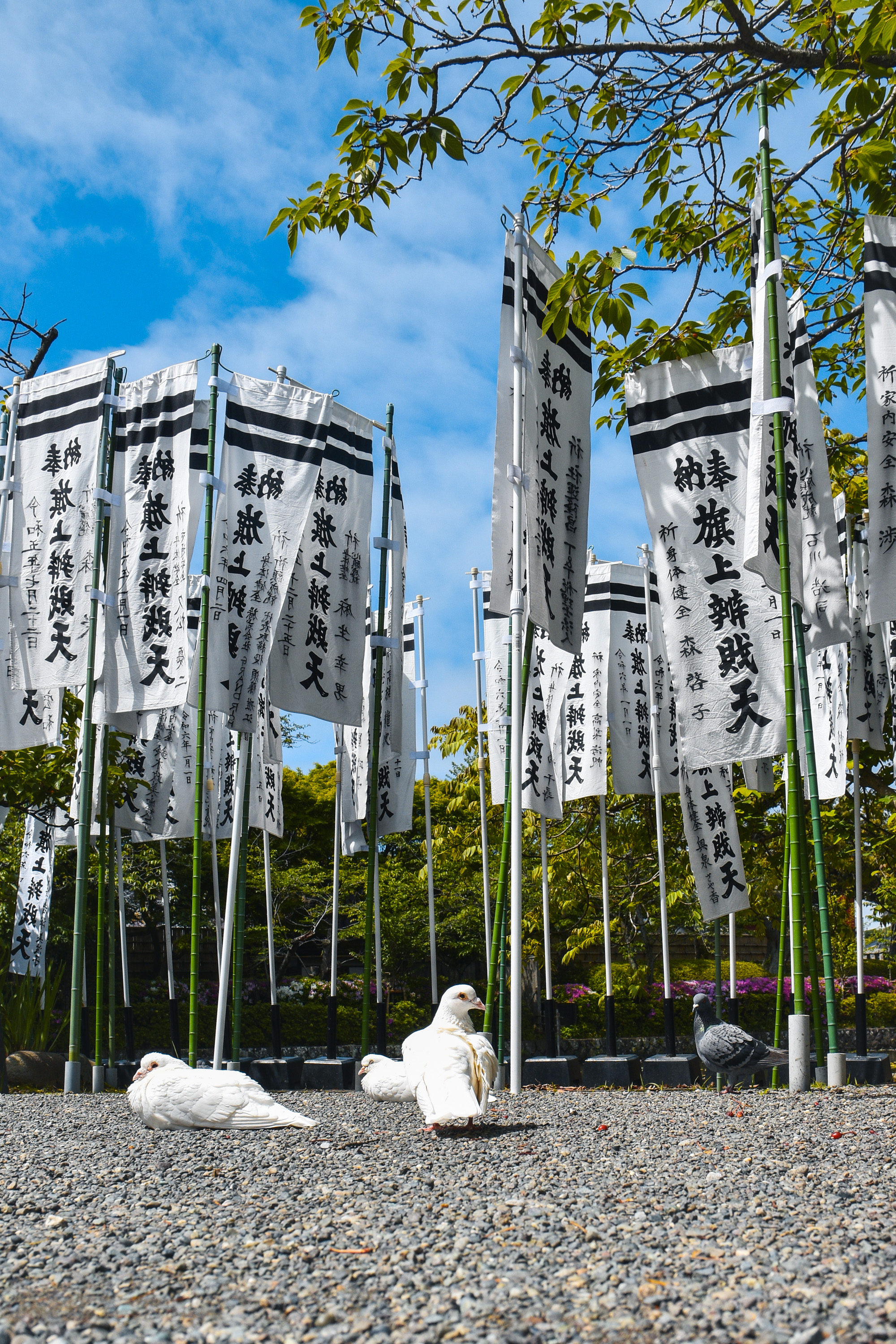
On a small island in a lake in the surrounding gardens, pigeons held court around a small shrine dotted with white and navy blue vertical flags flapping in the wind. The pigeons sat peacefully on the ground, largely ignoring the foot traffic of onlookers like myself. I don’t know their significance. Signs leading up to that shrine made it clear not to bring unleased pets.
Then I took the electric trolley a mile or two away to visit the next temple. The train is a bit of a draw on its own; its old-fashioned stylings elicit the quaint charm of an older, small-town Japan, at least to me. It’s also been featured prominently in anime because of its seaside picturesque route. If I had more time I would have stayed on the train just for the ride.

Kamakura, by the way, was swarming with sightseeing high school students, perhaps because the following week was so-called Golden Week, a long stretch of national holidays wherein many Japanese go on trips.

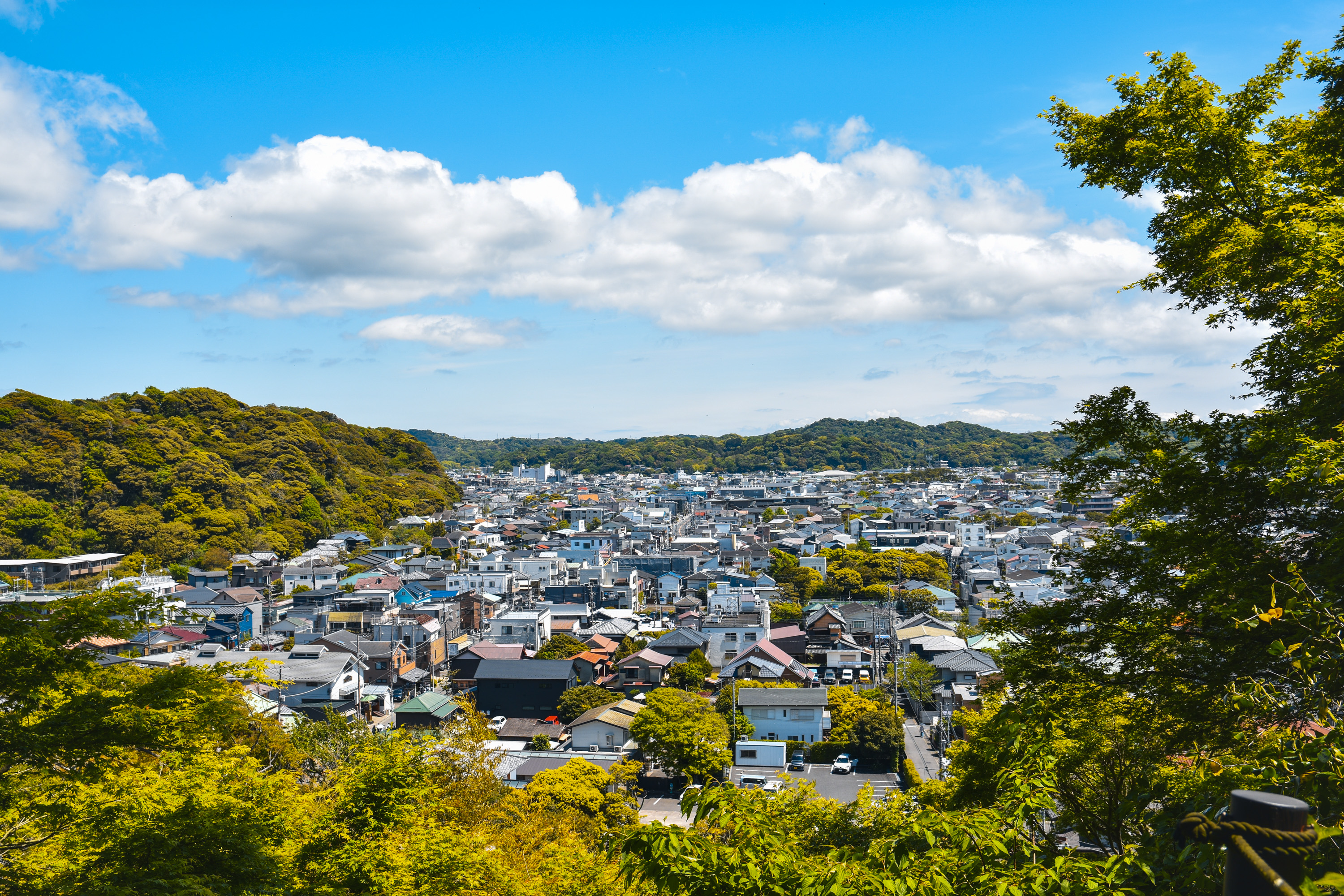
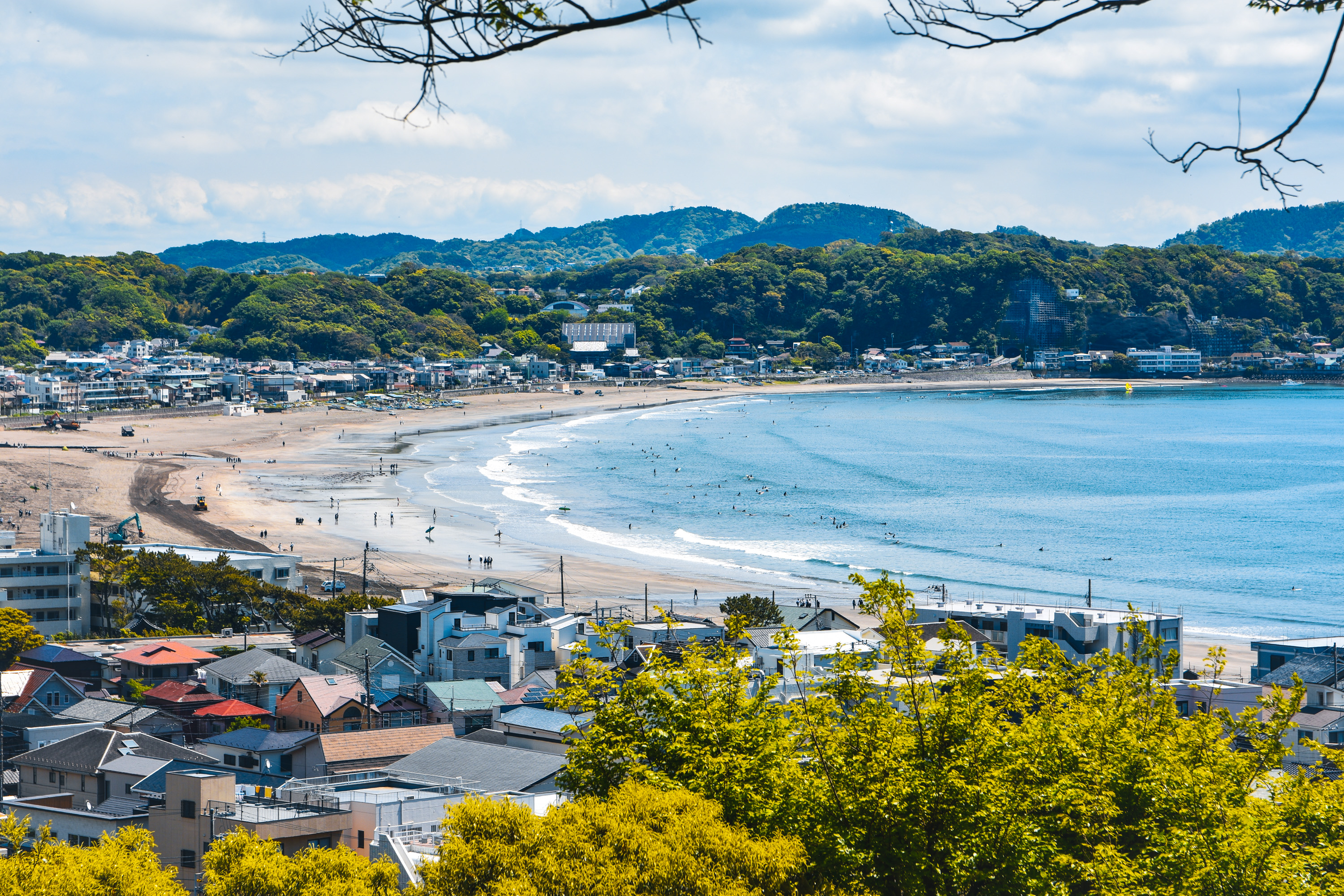
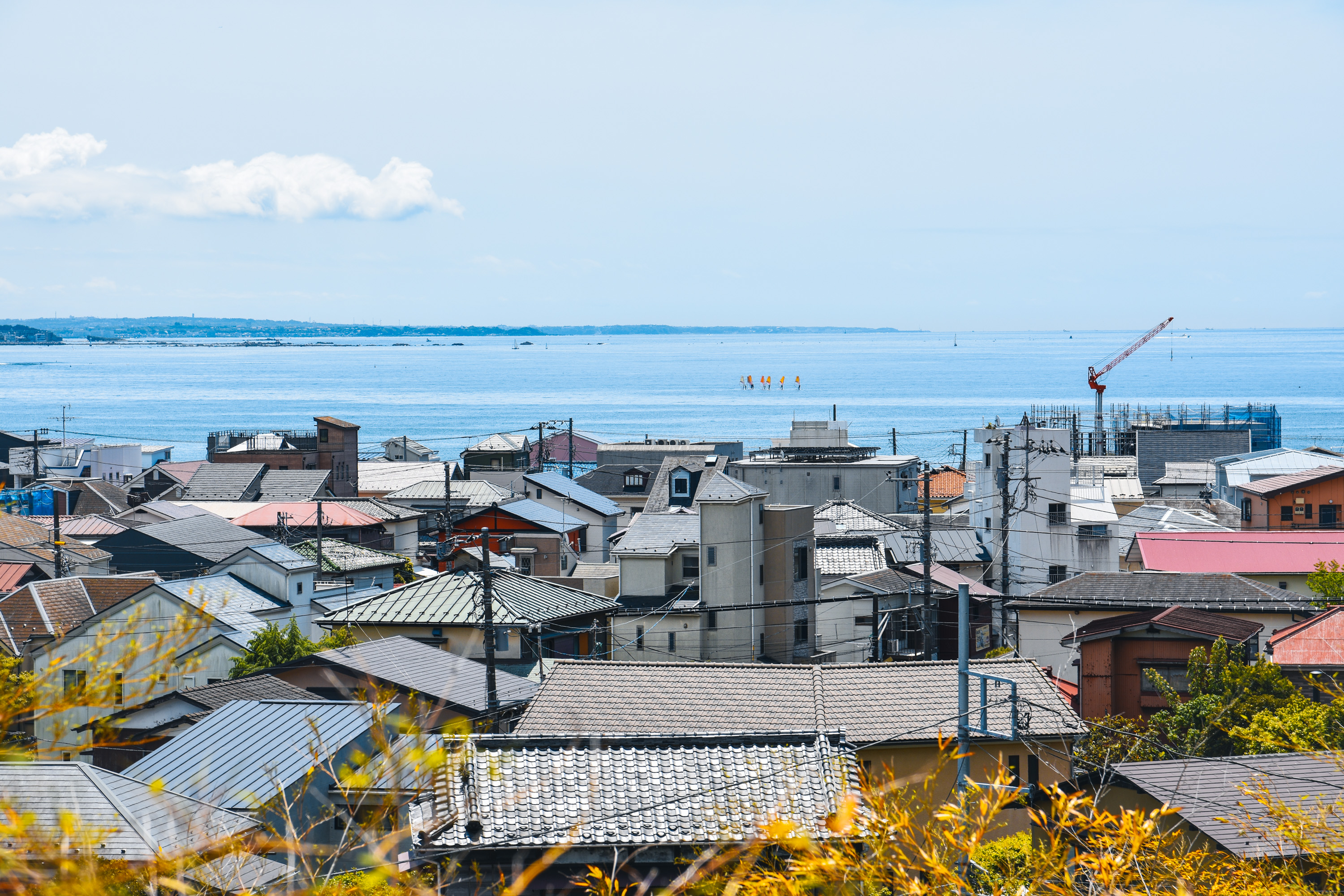
Then, Kamakura Hasedera, a Buddhist temple with a hillside view of the town and the shore. That was the most affecting aspect to me, somehow: the view. Until then, Japan existed only as city blocks, shop interiors, and underground trains. I could only see as far as the buildings would allow. But looking out over the city from the temple on the hill, over the rooftops and powerlines all the way to the sea, it felt like the first time I could actually see the place—the land, the country, the shape and texture of the city itself. I already regret not taking a longer pause to observe it with my bare eyes and not through my camera lens. I snapped a few photos and went on my way. But again, if only more time.
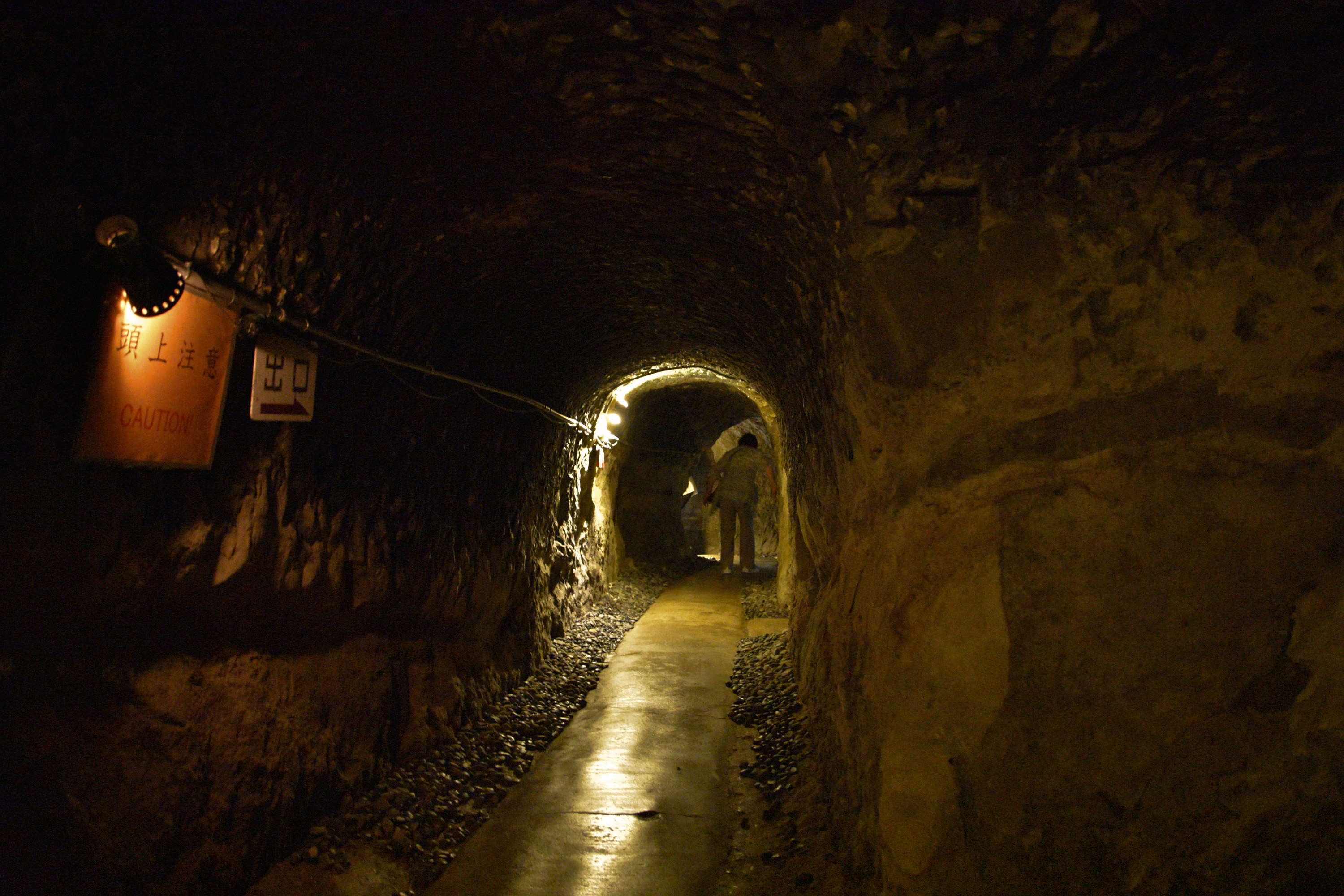
There was also a little cave carved into the hillside rock filled with Buddha statues. A nice surprise when you find out there’s a cave. The ceiling was less than five feet high so you had to crouch while walking through. It was calm and cool and damp inside.
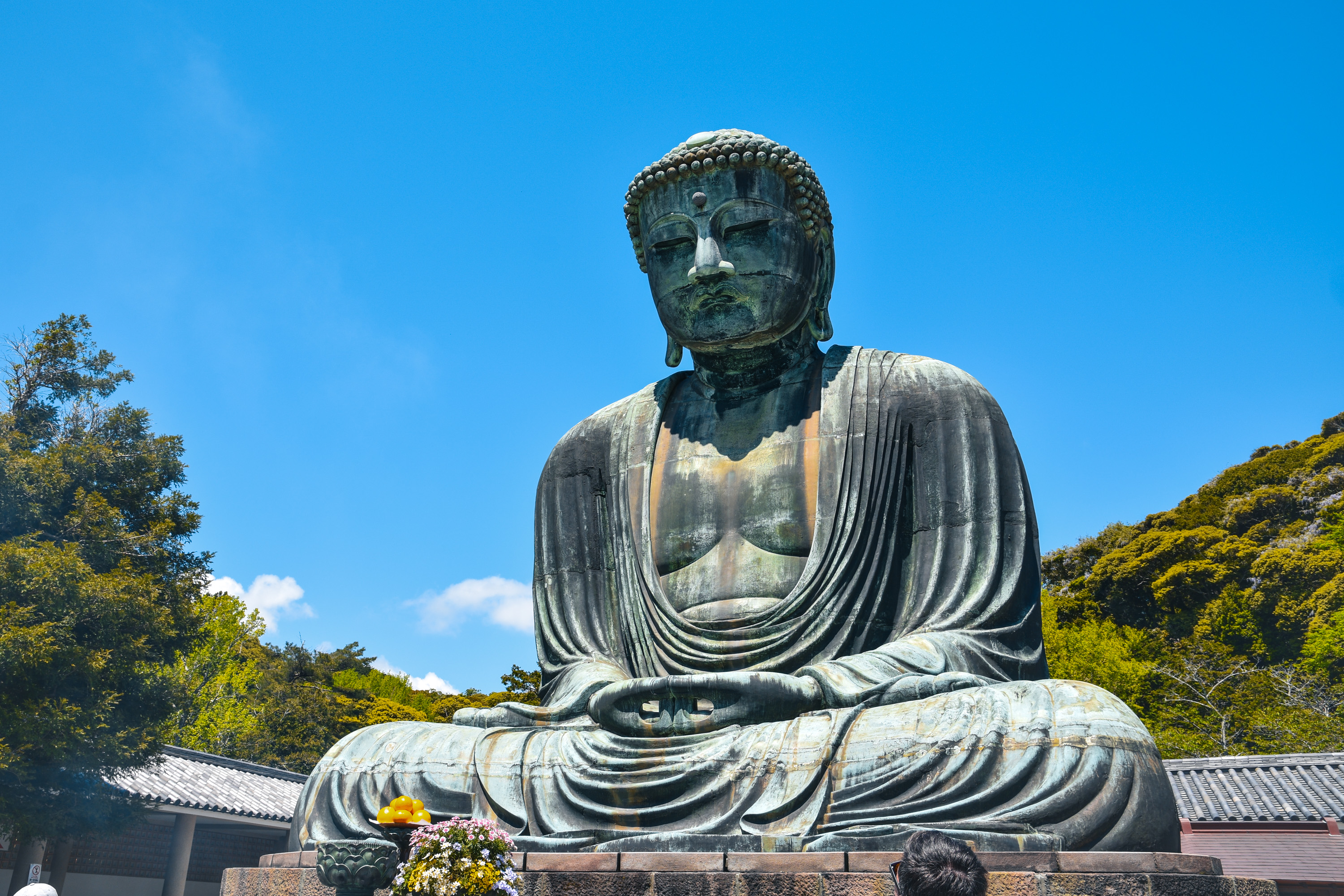
Finally, just up the road was Kotoku-in, another Buddhist temple featuring a monumental bronze statue called the Kamakura Daibutsu that dates back to the 1200s. It was beautiful and timeless. Not exactly peaceful, due to all the tourists like myself from all around the world, but still the Buddha sat serene and solid while the high school kids chased each other.
And so I took the long train ride back to Asakusa, where I’m now writing this. It was a hot day in Kamakura, my last day in Japan, and by the looks of the forecast, the latter days of spring are already bringing a preview of a sweltering summer. My cue to exit.
But first—
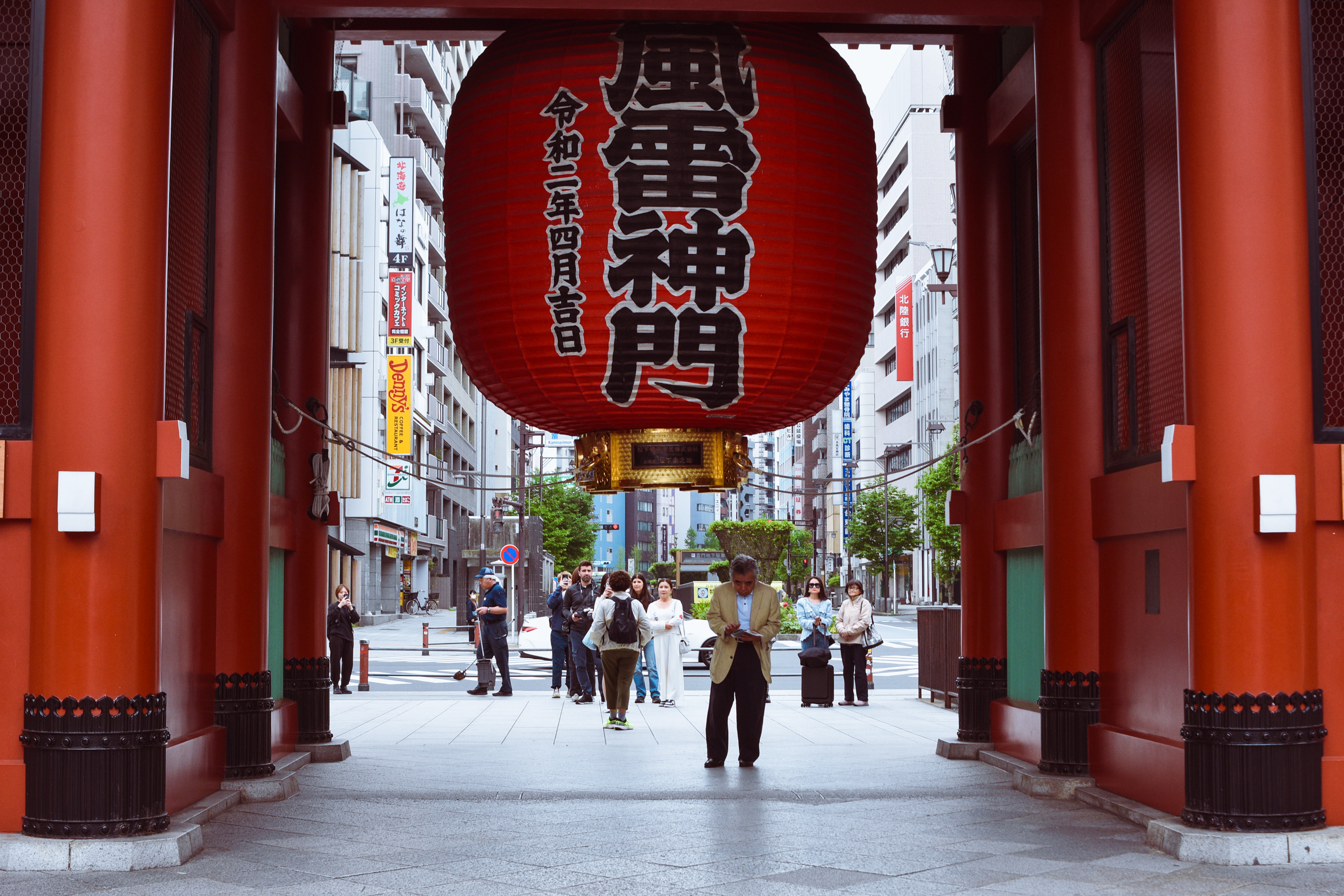
My first day in Japan had been exhausting for predictable reasons. A 12 hour delay turned a late afternoon arrival into a dawn march through Tokyo as I wandered without a plan, biding time until I could crash at the hotel.
But arriving in Asakusa at 7am while the streets were empty was itself beautiful. It was completely still and quiet. A few scattered tourists began taking photos of the Kaminarimon gate and Senso-ji temple, where all the shops that line the street had yet to open.
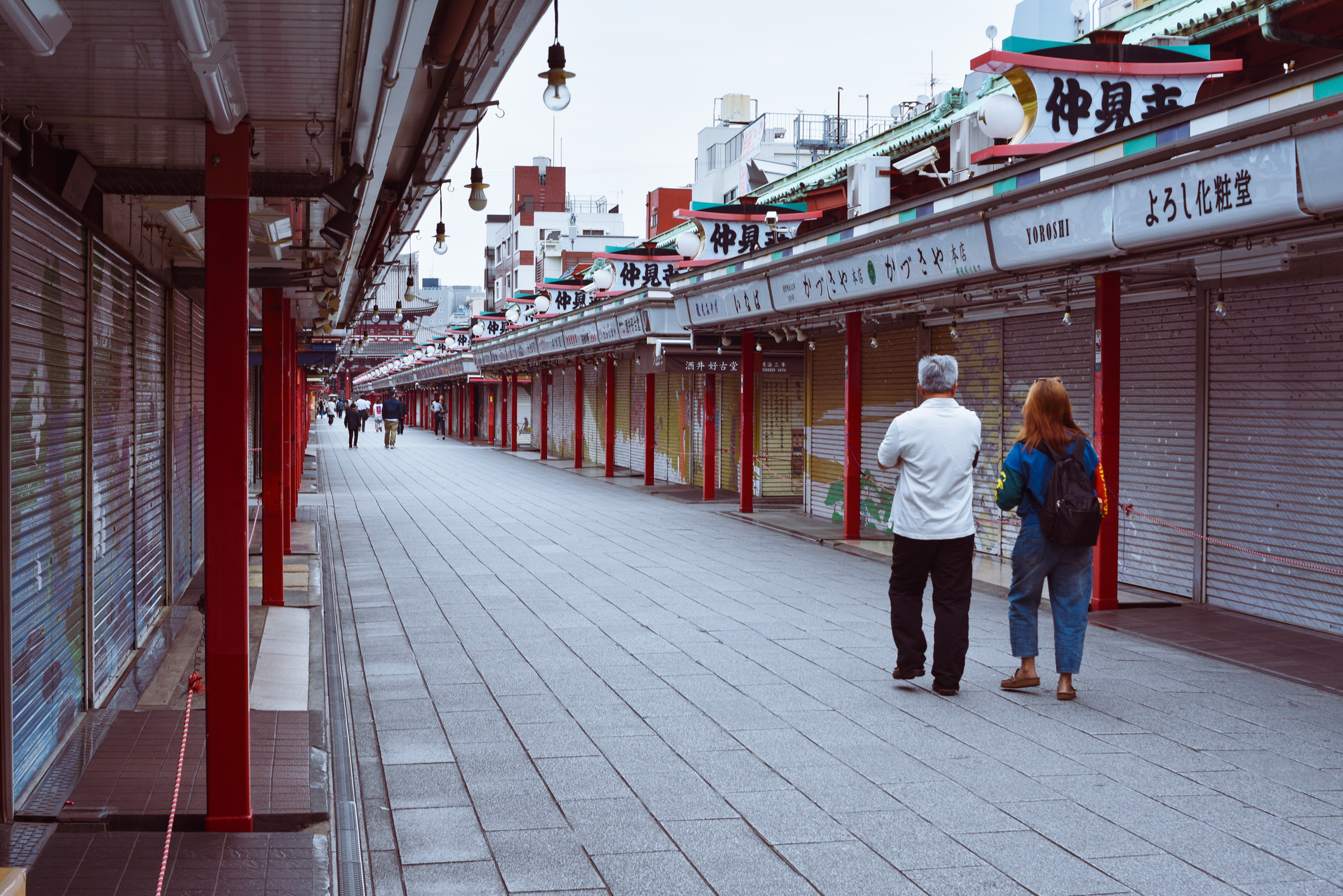
After taking a few photos of the temple I walked down to the river because I had seen the amusing beer building in the distance (it is the headquarters of Asahi Breweries, and looks like a foamy glass of beer). I’d return to the waterfront again throughout the day because it had a ledge along the river path where you could sit and rest. Prime real estate.
I thought it would be an interesting adventure to walk across town on foot to see Akihabara rather than catching a train—it looked a couple miles away on the map. I soon realized, though, that residential Asakusa was a fairly mundane area to walk through: modern apartment buildings, kids in baseball uniforms on their way to school, commuters trudging along. And Akihabara at 8am was shuttered and still, with only office workers around. There were a few lines of people—otaku-looking people—waiting for stores to open, and a couple of maids in uniform were opening shop too. But it was, mostly, not even awake.
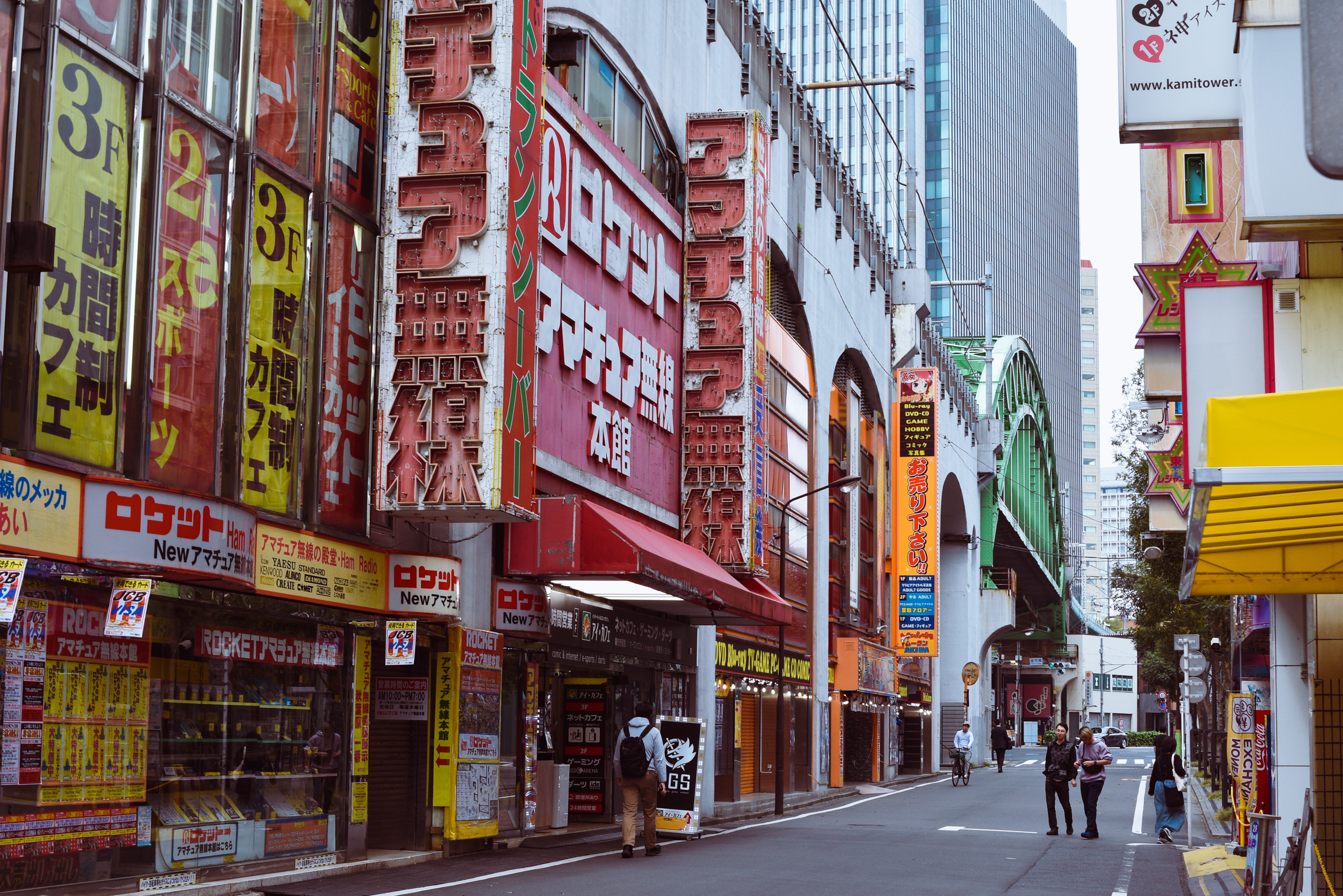
With time to kill I walked back to Asakusa (a dumb mistake because my feet were already blistering), grabbed some food at the conbini, and went back to the riverfront. It might be a bench-focused vacation, I thought, and Tokyo had so few. For some reason, let’s say the mental and physical fatigue of travel, it didn’t occur to me to Google cafes or coffee shops where I could rest or anything like that. So I got sunburnt by the riverside, eating 7-11 onigiri and bottled iced coffee while I waited for my hotel to open. But I was, somehow, in Japan.

All the anxiety I accumulated while preparing for the trip immediately dissolved once I set foot in Tokyo. Japan was exactly as it was supposed to be and it felt as though nothing could really go wrong. It didn’t matter if I got lost, or embarrassed myself with the wrong phrase, or even lost my suitcase. It was all inconsequential. I was here. The worst that could happen was that I couldn’t find a place to rest my weary feet.
And that was the most surprising thing, to me, about Japan: there was no culture shock, no sense of being in a dramatically different place where you didn’t fit in, no sense that the other side of the globe was in fact a different place at all. It was exactly as it was supposed to be. There was nothing surreal about it.
Perhaps this is a common refrain but the only surreal part was coming home: the shine of the lacquered wooden floors in my apartment in the long shadows of afternoon light, their familiar creak, the smell of the air, your own air and dust and furniture, the anxious dog happy again. It was gold and warm. Was it always this nice?
I took the dog for a walk and then slept like a stone at the bottom of a deep river, untouched for a thousand years while the world went on. The world, which had now shrunk. I had learned that the far reaches of the earth are only a few seat-back movies and microwaved in-flight meals away. It’s all right there, if you want it.


 cocopunk
Leave a comment